3 Sustainable Luxury Brands In 2026 You Shouldn’t Miss
Luxury and sustainability may seem paradoxical, as luxury is very often thought of as a non-essential. However, if done intentionally, luxury can be an investment in timeless pieces, pieces that can be passed down from one generation to the next. You’ll agree nothing embodies sustainability more beautifully than preservation, longevity and the re-use of heirloom pieces. The key word here though is ‘intentional’, i.e. buying from a brand that combines high end luxury without compromising on environmental health and animal welfare.
The good news is that in the past few years we’ve seen some trailblazers that have taken their offering a notch higher by incorporating sustainability in their core values.
The 3 sustainable luxury brands in 2026 that you must absolutely check out are:
1. Stella McCartney
Sustainable luxury can’t be spoken about without mentioning Stella McCartney, the daughter of Sir Paul and Linda McCartney, who with her brand continues to pay homage to her parents’ love for animals.
Stella’s Key ethical practices:
- A strictly vegetarian brand, Stella has never used animal derived materials in manufacturing
- The brand uses innovative material such as plant based alternatives to leather, and animal fur. They also use cruelty-free and planet friendly ink as colouring agents.
- In 2024 the brand launched Airlite®, a coating used on its iconic Falabella bags biomimicking nature to break down pollutants, actively purifying the air.
- By focussing on regenerative materials and designs made for longevity the brand is trying to achieve a circular economy
- As per the information available on their website, Stella’s sustainability strategy is based on 5 pillars, (i) materials and innovation, (ii) social compliance, (iii) emissions control, (iv) traceability, and (v) biodiversity. They measure and disclose the impact they have on the environment and the communities they interact with, transparency that is key to bring about a positive change.
In an interview featured in Atmos Volume 09: Kinship, Stella McCartney’s words reinforce what her brand stands for: “It is a luxury to buy something that is not killing the planet. It is a luxury to respect animals, to feel the love and the goodness in a product. [..] Luxury should be more timeless in its design. It should by all rights last your entire lifetime. It’s an investment. I believe that now more than ever, the resale of an item, the afterlife, the next life, the rentability—luxury is where that happens. It doesn’t happen in the fast-fashion space.”
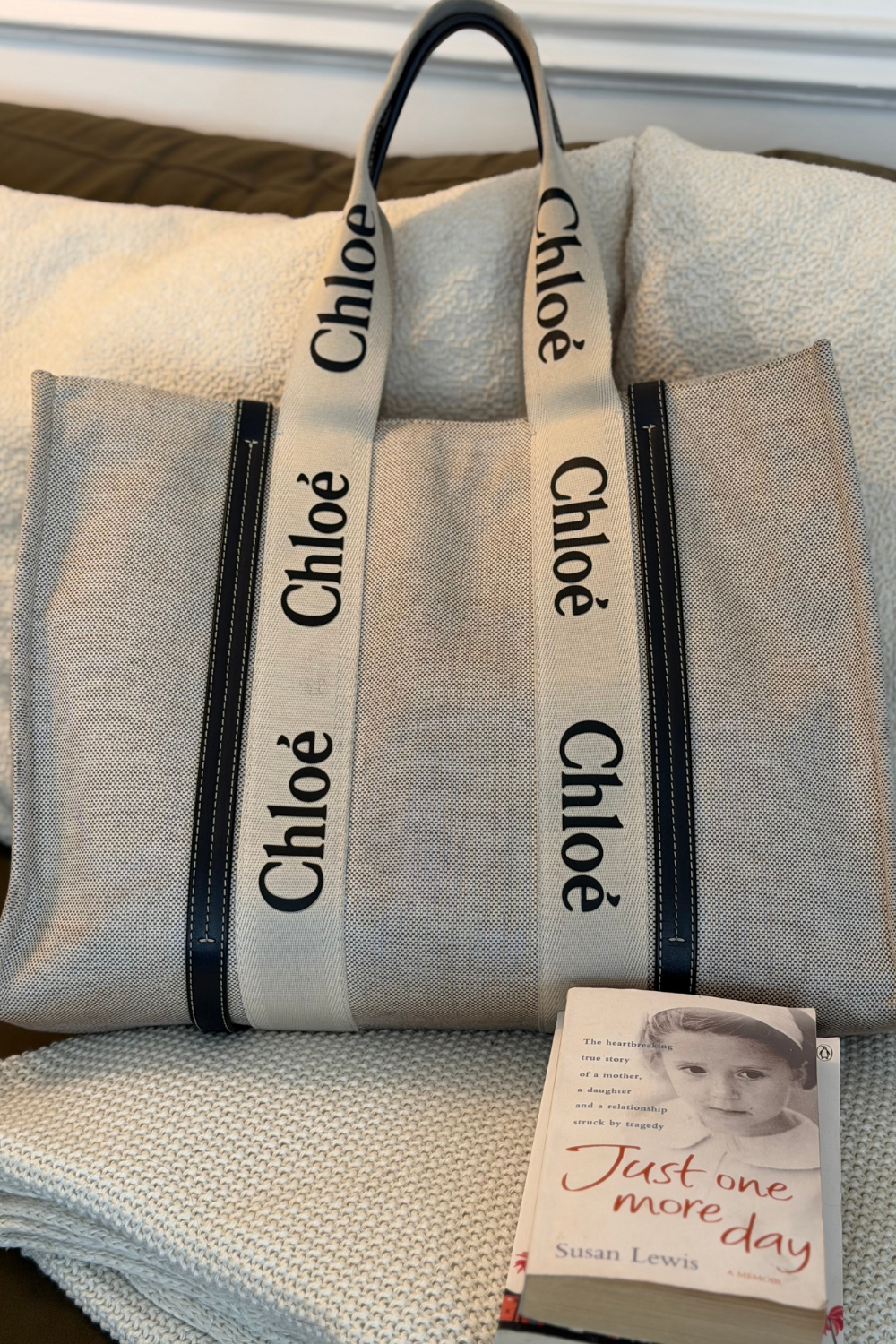
2. Chloé
Aware that change doesn’t take place overnight, Chloe have dedicated themselves to the journey of acting for a fairer and more sustainable future. Operating as a ‘Purpose Driven Company’ since 2023. Chloe became the first luxury fashion house to be BCorp certified in 2021, and recertified in 2024, achieving a higher score. BCorp is a rigorous international certification awarded to companies that meet high standards of social and environmental performance, accountability and transparency.
Chloé’s Key ethical practices
- Operates within 2 frameworks to achieve its long term goals of creating a fairer and more sustainable future. These are operating as a ‘Purpose Driven Company’ and being ‘BCorp certified’.
- The brand has a long term commitment to uplift women, and in 2025 Chloe contributed 1% of their retail sales to initiatives contributing to gender equality
- They’re committed to transforming their operations through day to day practices. Chloe realised that their biggest impact comes from raw materials, and so they have shifted to the use of lower impact main materials in their products.
- Since 2021 Chloe no longer destroy any raw material or finished product, Instead, they extend the life of their products by reusing, recycling or donating them through reliable channels.
- Chloe have banned fur from their collections since 2018, and the use of exotic skins since 2019. As of 2025, even the wool used in Chloe products is either recycled or certified by the Responsible Wool Standard.
- A key initiative that sets Chloe apart is their project focussed on measuring water quality and quantity across their value chain. This is to reduce any negative impact on the availability of freshwater to communities in which the brand operates.
3. Another Tomorrow
Founded by Vanessa Barboni Hallik, this New York based brand is founded on the cornerstones of human, environmental and animal welfare. As explained by Vanessa: “Her mission is to create a truly compassionate and sustainable company with a three pronged approach of providing a foundational wardrobe of ethically and responsibly made clothing, education, and a platform for activism to amplify our collective voices.”
Another Tomorrow’s Key ethical practices
- They source materials that are low impact and respect environmental and animal welfare. Some of the materials they use include Mirum®, a 100% plastic free biobased, and circular alternative to leather and synthetic leather, seacell (a textile made from the renewable crop of seaweed), recycled cashmere, 100% European linen and buttons made from partially recycled polyester and corzo nuts.
- The brand is conscious about minimising waste, and operates a strong policy against overdevelopment and overproduction.
- They have been tracking their entire carbon footprint across all manufacturing tiers.
- A key practice founded on compassion they follow is that they are committed to never using materials that require the suffering or killing of animals. They don’t use virgin cashmere or down but instead source animal derived material such as wool from family farms with whom they’ve forged close relationships and where domesticated animals are allowed to live their full natural lifespans in comfort.
- Human welfare is an important pillar the brand focusses on as well. They keep their supply chains as short as possible by maintaining proximity with their mills, and work exclusively with suppliers that pay living wages, treat workers with respect, and offer safe, and comfortable working conditions.
- Most importantly the brand wants to do better on all 3 counts , i.e. environmental, animal and human welfare.
3 ways in which choosing a sustainable luxury brand makes you a star 🌟
- You’re treating yourself to luxury and reducing your carbon footprint at the same time. A win-win.
- Hopefully pieces that you buy from sustainable luxury brands become investment pieces that can be enjoyed by you and your loved ones down the line. Through intentionally bought pieces you can leave behind a little part of you and what you stand for.
- This is a personal opinion, but a consumer shift towards sustainable luxury encourage other luxury fashion houses to focus on environmental, animal and human welfare as well.
And on the flix list today
I shared the idea of this post with my cousin and she said it reminded her of ‘Confessions of a Shopholic’, a romantic comedy based on the shopaholic series of novels written by Sophie Kinsella. Starring Isla Fisher as a shopaholic journalist this movie shows her journey of breaking free from debt and her shopping addiction. While the movie didn’t receive rave reviews, I love a Brit boy- American girl romance. Plus this movie in its own fun and sweet way highlights some of the consequences of overconsumption.
Final Verdict!
I know the brands listed above cost a pretty penny, and maybe they’re not for everyone. However, if you are someone who frequents luxury brands, maybe choose brands that don’t take away from both you and Mother Nature but instead that help you invest in longevity while respecting Mother Nature.
At the end of the day luxury can be classy but compassion is classier 🙂
Until the next time,
Geeta 💫