Sustainability Journey: 5 Easy Starting Steps
Sustainability means the practice of using resources to meet the current needs without compromising the ability of future generations to meet theirs, which is the only fair thing to do considering there is no Planet B.
Here’s 5 easy steps to help you start your sustainability journey. These steps are so simple, you’ll wonder why you didn’t implement them sooner.
Reduce Food Waste
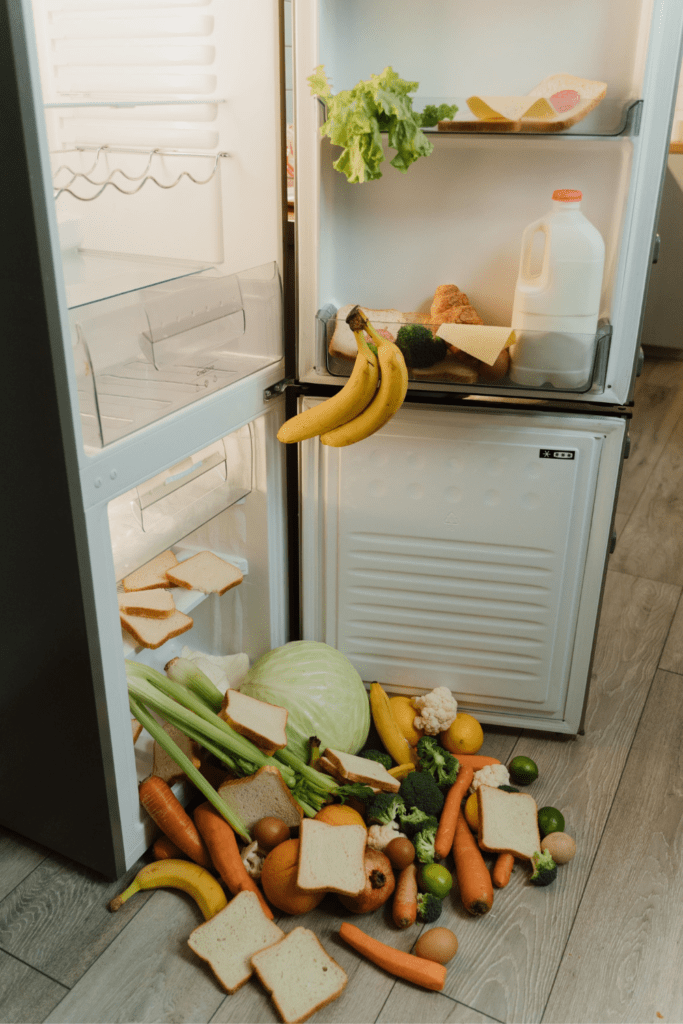
Food that’s fit for human consumption but isn’t eaten is called food waste. This could be when we’ve bought more food than we need. As a result, some of the food can’t be consumed before it goes off or sometimes we’re done with an item and don’t know what else to do other than to bin it! We’ve all been there!! What we don’t realise is that all this food took plenty of fresh water, land and labour to produce. Food waste therefore has a significant impact on climate change, which is why it’s important to reduce food waste.
The good news is there are small things we can do to reduce food waste.
- Plan your meals ahead so that you can check which ingredients you already have. Buy only the ones you need to.
- Look out for foods that are approaching their use-by date or fresh foods that may quickly go off and try using them up first.
- Follow freezing and storage instructions correctly so that food doesn’t deteriorate quickly.
- If you have a garden get composting.
- Get creative 😃 Use your leftovers to make new meals. For some leftovers recipes ideas, check out: https://www.bbc.co.uk/food/collections/leftovers. There’s also an app called SuperCook that creates recipes for you based on the ingredients you have.
- Check out apps like Too Good To Go for discounted secret bags of surplus food from cafes, bakeries and restaurants, or Olio to list your own surplus food and other items.
Save Water
W.H Auden once said, ‘Thousands have lived without love, not one without water’. That’s how precious water is. The United Nations has explained that climate change is primarily a water crisis, and all of us at the individual level as well as the household level must play a role to manage water sustainably.
Extreme weather conditions are resulting in water scarcity which in turn is putting pressure on food supply. Moreover, the water that we receive in our homes has been treated and so it has its own carbon footprint. By wasting water directly, we are also wasting the power used to treat and transport it. Small steps we can take to prevent water wastage in our homes include:
- Making sure we don’t casually leave our showers or taps running. Turn the tap off while brushing your teeth, shaving or soaping up.
- Fixing leaks at the earliest possible.
- Waiting until the dishwasher or washing machine has a full load before we run them.
- Using the dishwasher once we have a full load instead of washing dishes by hand.
- Washing fruits and vegetable in a bowl rather than using running water and then using this water or that from boiled rice and pasta to water plants (acts as a free fertilizer ).
- Boiling only as much water in kettles and pans as we need.
Use Energy Efficient Devices
Using energy-efficient devices helps save energy, in turn helping you make savings. If available to you, consider installing a smart meter that’ll help you identify your energy usage. Some of the simple things to be mindful of when it comes to your devices are:
- Opt for LED. Replace your lightbulbs with energy saving LEDs.
- When it’s time to replace your white goods, such as your washing machine or dishwasher, choose an energy efficient model. In the meantime, run your machines at eco-friendly settings and with full loads.
- If it’s an option available to you hang the washing out instead of using the tumble dryer
- When not in use, don’t keep household devices on stand-by or plugged in. This will save you from vampire drain!
Make Better Food Choices

The United Nations in one of its articles has explained that about 1/3rd of all human caused greenhouse gas emissions is linked to food.
Some of the foods associated with the highest greenhouse gas emissions include animal- based foods, particularly red meat, dairy and shellfish such as farmed shrimps and prawns.
This is because meat production requires vast grasslands which are often created through deforestation, a process that releases carbon-dioxide. Cattle also release methane as part of their digestion process, further adding to greenhouse gas emissions. Similarly shellfish farming is done on coastal land, which is created by clearing off mangrove forests, which are otherwise the most effective in absorbing and sequestering carbon dioxide from the atmosphere.
What can you do:
- Eat more foods that are healthier for you and for our planet– For example plant-based foods such as fruits, vegetables, whole grains, beans, peas and nuts not only promote better health but also their impact on our planet is not as harsh.
- As much as possible try eating seasonal and local produce.
- Once a week try a sustainable recipe 😊 You can try the apps mentioned or there’s plenty of sustainable recipes you can find online
- Start taking a reusable bag on food shops and avoid collecting plastic bags. (This change is super easy, lemon sqeezy!! So, there’s no excuse for not doing it!)
Ask Yourself the ‘Do I Really Need It? Question

This is pretty self-explanatory. Each time you’re tempted to buy something, anything, pause for a moment and ask yourself, ‘Do I really need it?’. The immediate voice in your head might say, ‘Of-course you do!!’. But ask yourself again, ‘Do I really really need this?’. You’ll be surprised how this simple question can help control impulsive purchases. After the POE exercise (Process of Elimination) you will be left with a list of items that you either need or are intentionally buying.
When you’re at this stage, try buying from ethical/sustainable manufacturers or if you have a regular brand that you love, and know will get enough wears out of the items you buy from them, go for it 🙂
And on the flix list today
The Biggest Little Farm documents a journey of people like you and I. The movie almost feels like an immersive experience as we see a couple and their dog build a sustainable farm just outside of California. Relatable, the documentary left me feeling hopeful and inspired!
And the final verdict!
The journey of a 100 miles starts with one simple step forward. You’re not too late to start your own journey, for there’s nothing more noble and classy than being compassionate.